

Understanding the Foundations of Cosmetic Dermatology
The Evolution of Skin Treatments: From Ancient Remedies to High-Tech Solutions
Cosmetic dermatology has undergone a remarkable transformation over the centuries, from ancient herbal remedies to today’s sophisticated laser treatments and injectables. Historically, cultures around the world have utilized a plethora of natural ingredients to enhance skin appearance; for example, the ancient Egyptians employed honey and olive oil for moisturizing, while Chinese medicine included ginseng and licorice to treat various skin ailments. These early treatments laid the groundwork for modern approaches, reflecting humanity’s long-standing desire for aesthetic enhancement.
In the 20th century, a significant shift occurred with the advent of synthetic compounds and technological advancements in medical science. The introduction of procedures like chemical peels and microdermabrasion marked a departure from natural remedies, allowing for deeper skin exfoliation and rejuvenation. By the mid-1980s, the use of injectable fillers began to gain popularity, paving the way for minimally invasive procedures that could provide immediate, visible results without the need for extensive recovery times. Today, innovations such as radiofrequency and ultrasound technologies have further refined and expanded the possibilities within cosmetic dermatology, enabling dermatologists to offer tailored solutions that cater to individual skin types and concerns.
The Science Behind Skin: How Dermatologists are Transforming Beauty
The intricate structure of human skin necessitates a scientific approach to cosmetic treatments. Skin consists of multiple layers—the epidermis, dermis, and subcutaneous tissue—each with unique functions and characteristics. Dermatologists leverage their in-depth understanding of these layers to create treatments that target both surface-level concerns, like wrinkles and pigmentation, and deeper issues, such as collagen loss and elasticity.
Advancements in cosmetic treatments are heavily informed by ongoing research in dermatological science. For instance, understanding collagen and elastin’s roles in maintaining skin firmness has led to the development of treatments that stimulate collagen production, such as microneedling and PRP (platelet-rich plasma) therapy. Furthermore, dermatologists increasingly incorporate biochemical innovations, including growth factors and peptides, into their procedures to enhance skin rejuvenation. Such scientific foundations not only guarantee the efficacy of treatments but also ensure safety, which is paramount in the evolving landscape of cosmetic dermatology.
Exploring Popular Cosmetic Procedures: What to Expect
Injectables and Fillers: Transforming Your Look with Precision
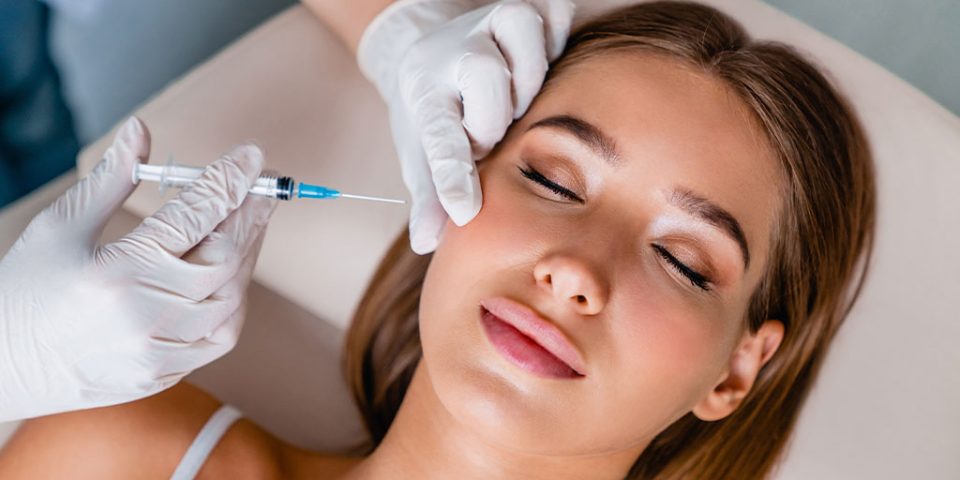
Injectables and dermal fillers have surged in popularity, offering a quick and effective way to mitigate signs of aging, enhance facial contours, and even address medical concerns like migraines or excessive sweating. Botulinum toxin (Botox) prevents muscle contractions that cause dynamic wrinkles, while hyaluronic acid fillers provide volume and hydration to aging or hollowed areas of the face.
Individuals opting for injectables can expect a consultation where a dermatologist assesses their skin condition and desired outcomes, providing a customized treatment plan. The procedure typically involves minimal discomfort due to quick, strategic injections using fine needles. Results are often instantaneous, showcasing a smoother, more youthful appearance, though some swelling or bruising may occur initially. It’s important for patients to understand the importance of maintenance treatments, as effects gradually fade over time, usually within three to six months for Botox and up to a year for dermal fillers.
Laser Treatments: Brightening Skin with Cutting-Edge Technology
Laser technology has revolutionized cosmetic dermatology, offering a myriad of treatment options tailored to individual skin concerns. From laser hair removal to resurfacing treatments, lasers can target pigments, stimulate collagen production, and improve skin texture with remarkable precision. Various types of lasers are employed, including fractional and ablative lasers, each serving different purposes based on the depth of treatment and skin type.
In a typical laser treatment session, patients may experience mild discomfort akin to a rubber band snap against the skin. Recovery times can vary, with some laser treatments allowing for same-day return to daily activities, while others may necessitate several days of downtime. As laser technology continues to advance, new innovations like picosecond lasers promise quicker recovery and improved results, broadening the horizon for those seeking effective skin rejuvenation.
Navigating the Emotional and Psychological Benefits of Cosmetic Dermatology
Boosting Confidence: How Cosmetic Changes Influence Self-Perception
The impact of cosmetic dermatology extends far beyond physical appearance; it significantly influences an individual’s self-esteem and confidence levels. Many people turn to cosmetic procedures to address features they view as flaws or symbols of aging, leading to profound changes in their self-perception once they achieve their desired outcomes. Studies have indicated that individuals who undergo cosmetic treatments often report heightened self-confidence and an improved social presence, resulting in enhanced professional and personal relationships.
It is essential to approach cosmetic dermatology with realistic expectations and a healthy mindset. Understanding the psychological implications of cosmetic treatments is crucial, as these procedures may not solve underlying issues like anxiety or depression. The best outcomes are often seen in individuals who seek enhancement rather than transformation, and the dialogue between patients and dermatologists should focus on achieving balanced, harmonized results.
Empowerment through Aesthetics: The Connection between Skin Health and Mental Wellbeing
A growing body of research highlights the intimate connection between skin health and mental wellbeing. Conditions such as psoriasis, acne, and eczema can severely impact an individual’s quality of life, leading to emotional distress and social withdrawal. Thus, cosmetic dermatology not only seeks to improve aesthetics but also addresses underlying psychological challenges associated with skin disorders.
Many patients who find relief from visible skin issues through cosmetic treatments experience a renewed sense of empowerment. They often feel more in control of their appearance and, by extension, their lives. The improvement in skin health can inspire individuals to engage in social situations they previously avoided, fostering a more positive outlook on life. The therapeutic benefits of cosmetic dermatology are gaining recognition, emphasizing the need for a holistic approach that encompasses physical, emotional, and psychological health.
Future Trends: The Next Generation of Cosmetic Innovations
Personalized Skincare: The Role of Genetic Testing in Treatment Plans
The future of cosmetic dermatology is not only about innovative technologies but also personalized approaches informed by genetic makeup. Advances in genetics have paved the way for tailored skincare that considers an individual’s unique skin profile, including its predispositions to conditions such as acne, hypersensitivity, or premature aging.
Genetic testing can help dermatologists understand how a patient’s skin responds to various treatments and products, allowing for custom care regimens that maximize effectiveness. For instance, those with a genetic predisposition for hyperpigmentation may benefit from specific active ingredients in their skincare, while individuals prone to collagen depletion can have treatment plans that emphasize collagen-boosting therapies. As personalized skincare continues to evolve, it promises a future where every individual can receive optimized treatment tailored specifically to their genetic blueprint.
Sustainable Beauty: Eco-Friendly Practices in Cosmetic Dermatology
As heightened awareness of environmental issues permeates all aspects of the beauty industry, cosmetic dermatology is no exception. Sustainable beauty reflects not just the efficacy of treatments but also their ecological footprint. Dermal practitioners are increasingly adopting eco-friendly practices, such as using biodegradable products, sustainable packaging, and non-toxic ingredients to minimize environmental impact while maximizing skincare benefits.
Sustainable innovations also extend to the ingredients used in cosmetic formulations. Many cosmetic dermatologists are advocating for biocompatibility, opting for natural sources and cruelty-free derivatives over harsh chemicals and synthetic compounds. This shift not only promotes the health of our planet but also aligns with consumer demand for transparency and ethical practices in the beauty industry. As eco-conscious dermatological practices become more mainstream, patients can look forward to treatments rooted in sustainability, reflecting a holistic approach to beauty that honors both the individual and the environment.
FAQ
Question: What are the common side effects associated with cosmetic dermatology procedures? – Common side effects can include swelling, bruising, redness, and temporary discomfort at the treatment site. Most effects typically resolve within a few days, but it’s essential to consult with a dermatologist for personalized advice.
Question: How can I choose the right cosmetic dermatologist for my needs? – Choosing the right cosmetic dermatologist involves researching their credentials, reading patient reviews, and scheduling consultations to assess their approach and comfort level with your specific concerns.
Question: Are cosmetic dermatology procedures safe for all skin types? – While many procedures are designed to be safe for a range of skin types, individual evaluations are necessary to determine the best treatment plan. Those with sensitive skin or specific conditions should consult with their dermatologist.
Question: What is the typical recovery time after a cosmetic procedure? – Recovery times can vary significantly based on the type of procedure. Some treatments have minimal downtime, allowing patients to resume daily activities quickly, while others may require days or weeks for full recovery.
Question: How often should maintenance treatments be scheduled? – Maintenance treatments depend on the specific procedure and individual results. Typically, injectables like Botox last three to six months, while fillers may last up to a year. Consulting with a dermatologist for a personalized timeline is advisable.
Question: Can cosmetic dermatology improve medical skin conditions? – Yes, many cosmetic dermatology procedures can address medical skin issues, often leading to improved skin health and relief from conditions like acne, psoriasis, or rosacea.
Question: What role does lifestyle play in cosmetic dermatology outcomes? – Lifestyle factors such as diet, hydration, sun protection, and smoking can significantly affect the outcomes of cosmetic procedures and overall skin health, making a healthy lifestyle beneficial.
Question: Are there age restrictions for cosmetic dermatology treatments? – While many treatments are suitable for adults of various ages, younger patients should undergo a thorough evaluation. Dermatologists often advise procedures based on individual needs rather than a specific age limit.
Useful Resources
- American Academy of Dermatology
- DermScore
- National Center for Biotechnology Information
- Mayo Clinic
- Cosmetic Surgery and Dermatology
- Journal of Clinical and Aesthetic Dermatology
- PubMed Central
- Centers for Disease Control and Prevention
