

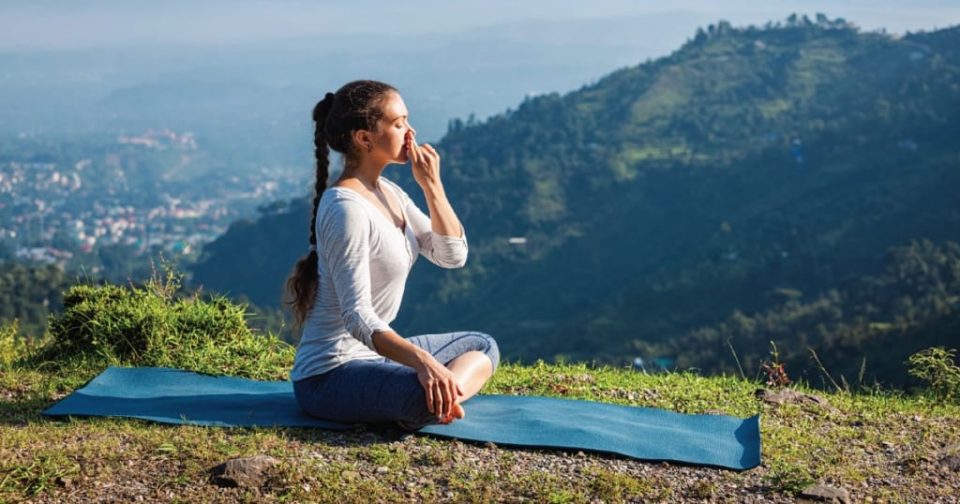
The human autonomic nervous system functions as the silent conductor of the body’s internal orchestra, managing everything from heart rate and digestion to respiratory frequency without conscious intervention. Traditionally, Western medicine viewed the autonomic nervous system as largely involuntary. However, the ancient practice of Pranayama, or yogic breath control, challenges this boundary by providing a conscious gateway into the unconscious mind. By manipulating the rate, depth, and pattern of the breath, practitioners can shift the balance between the sympathetic and parasympathetic branches, effectively re-tuning their neurological state. Understanding the biomechanics and neurophysiology of these breathing techniques reveals a sophisticated interaction between the respiratory system and the brain’s regulatory centers.
The Architecture of the Autonomic Nervous System
To understand how breath influences the brain, one must first look at the structure of the autonomic nervous system. It is primarily divided into two opposing yet complementary branches: the sympathetic nervous system and the parasympathetic nervous system. The sympathetic branch is often associated with the fight or flight response, mobilizing energy and increasing arousal. In contrast, the parasympathetic branch, primarily mediated by the vagus nerve, governs the rest and digest functions, promoting recovery and homeostasis.
Autonomic tone refers to the background level of activity in these two branches. In modern high-stress environments, many individuals suffer from chronic sympathetic dominance, which is linked to hypertension, anxiety, and systemic inflammation. Pranayama serves as a physiological intervention to recalibrate this tone, favoring parasympathetic activation and improving what researchers call vagal tone.
The Vagus Nerve and the Breathing Bridge
The vagus nerve is the tenth cranial nerve and the primary component of the parasympathetic nervous system. It travels from the brainstem down to the abdomen, innervating the heart, lungs, and digestive organs. A critical mechanism through which Pranayama affects the brain is the stimulation of the vagus nerve via the diaphragm and the lungs.
When we engage in slow, deep diaphragmatic breathing, the stretching of the lung tissue and the movement of the diaphragm activate stretch receptors. these receptors send inhibitory signals through the vagus nerve to the brainstem. Specifically, these signals reach the nucleus tractus solitarius, which then dampens the activity of the sympathetic centers. This process is the biological foundation for the immediate sense of calm experienced during deep breathing exercises.
Respiratory Sinus Arrhythmia and Heart Rate Variability
One of the most accurate biomarkers for autonomic health is heart rate variability, which is the variation in time intervals between consecutive heartbeats. High heart rate variability is a sign of a resilient, adaptable autonomic nervous system. Pranayama directly influences this through a phenomenon known as respiratory sinus arrhythmia.
Naturally, our heart rate increases slightly during inhalation (sympathetic influence) and decreases during exhalation (parasympathetic influence). By lengthening the exhalation phase relative to the inhalation, as seen in techniques like Bhramari or Ujjayi, we prolong the period of parasympathetic dominance. Over time, this practice trains the heart and brain to communicate more efficiently, leading to a permanent increase in heart rate variability and a more robust autonomic tone.
Neurochemical Shifts and Cortical Modulation
The impact of Pranayama extends beyond the peripheral nerves and into the chemistry of the brain. Research indicates that specific breathing patterns can modulate the levels of various neurotransmitters and hormones. For instance, slow breathing has been linked to an increase in gamma-aminobutyric acid, the primary inhibitory neurotransmitter in the brain. Higher levels of this chemical are associated with reduced anxiety and improved mood regulation.
Furthermore, breath control influences the hypothalamic-pituitary-adrenal axis. This is the system responsible for the release of cortisol, the body’s primary stress hormone. By lowering the firing rate of the amygdala, the brain’s emotional alarm center, Pranayama prevents the cascading release of cortisol, thereby protecting the body from the neurotoxic effects of chronic stress.
Specific Pranayama Techniques and Their Neurological Effects
Not all Pranayama techniques produce the same neurological outcome. Depending on the ratio and style of breathing, a practitioner can either calm the system or energize it.
-
Nadi Shodhana (Alternate Nostril Breathing): This technique is primarily used for balancing the two hemispheres of the brain. From a neurological perspective, it influences the nasal-cycle dominance, which is linked to contralateral brain activity. It helps in achieving autonomic equilibrium, making it an excellent tool for overall mental clarity.
-
Sheetali (Cooling Breath): Involving inhalation through a rolled tongue, this practice targets the thermoregulation centers in the hypothalamus. It is often used to reduce physiological heat and lower sympathetic arousal.
-
Kapalabhati (Skull Shining Breath): This is a high-frequency, forced exhalation technique. Unlike slow breathing, Kapalabhati can actually stimulate a controlled sympathetic response. This mild stressor, when practiced correctly, can improve the resilience of the nervous system through a process called hormesis.
-
Bhramari (Humming Bee Breath): The vibration produced during the humming exhalation has a direct mechanical effect on the vagus nerve near the throat. It is particularly effective at inducing a deep parasympathetic state and slowing down the brainwaves into alpha or theta patterns.
The Prefrontal Cortex and Executive Function
Chronic stress often leads to a state of cortical inhibition, where the emotional centers of the brain take over and the prefrontal cortex—responsible for logic, planning, and emotional regulation—goes offline. Pranayama helps reverse this. By stabilizing the autonomic tone, the brain can redirect blood flow and glucose to the prefrontal cortex. This shift allows for better impulse control and more rational decision-making. Practitioners often report an increased ability to respond to stressors rather than reacting to them impulsively.
Long-term Neuroplasticity and Structural Changes
The benefits of Pranayama are not merely transient. Consistent practice leads to structural changes in the brain, a concept known as neuroplasticity. Studies using MRI imaging have shown that regular practitioners of breathwork and meditation often have increased gray matter density in the hippocampus (involved in memory and learning) and the prefrontal cortex. Simultaneously, they may show a decrease in the volume of the amygdala. These physical changes suggest that the brain actually rewires itself to become less reactive to stress and more capable of maintaining a state of calm.
Integrating Pranayama into Clinical Applications
The clinical implications of understanding the neurological impact of Pranayama are vast. It is increasingly being used as a complementary therapy for conditions such as post-traumatic stress disorder, clinical depression, and chronic insomnia. Because breath is a portable and free tool, it empowers patients to take an active role in managing their own nervous system. It bridges the gap between traditional psychotherapy and physiological health, offering a holistic approach to mental well-being.
Frequently Asked Questions
Does the temperature of the air inhaled affect the autonomic nervous system?
Yes, the temperature of inhaled air can have an effect. Cooler air can stimulate the trigeminal nerve and the cold receptors in the nasal passages, which can trigger a mild parasympathetic response. This is why techniques like Sheetali are effective for calming the body during hot weather or high-stress situations.
Can Pranayama help with chronic digestive issues?
Since the parasympathetic nervous system is the primary driver of digestion, Pranayama can be very beneficial. By stimulating the vagus nerve, slow breathing techniques encourage the secretion of digestive enzymes and the movement of the gastrointestinal tract, often referred to as peristalsis.
Is it possible to over-stimulate the nervous system with breathwork?
Yes, certain rapid breathing techniques like Kapalabhati or Bhastrika can significantly increase sympathetic activity. While this is beneficial for some, individuals with high blood pressure, heart conditions, or severe anxiety should approach these techniques with caution and ideally under the guidance of a qualified teacher.
How long do I need to practice to see a change in my autonomic tone?
While immediate calming effects can be felt within five to ten minutes, significant long-term changes in autonomic tone usually require consistent practice over several weeks. Most studies look at a timeframe of eight to twelve weeks for measurable changes in heart rate variability and cortisol levels.
Does mouth breathing have a different neurological impact than nasal breathing?
Nasal breathing is superior for autonomic regulation. The nose filters, warms, and humidifies the air, but more importantly, it offers greater resistance than the mouth, which encourages diaphragmatic movement and higher oxygen uptake. Mouth breathing is often associated with the sympathetic fight or flight response.
Can children benefit from these neurological changes?
Absolutely. Children’s nervous systems are highly plastic. Teaching simple breathwork to children can help them develop better emotional regulation skills and reduce the impact of school-related stress. It provides them with a lifelong tool for self-soothing and mental focus.
Why does my heart rate sometimes feel like it is racing when I start Pranayama?
This is often due to the initial focus on the breath, which can cause a slight increase in awareness or anxiety in beginners. Additionally, if the breath is forced rather than relaxed, it can trigger a sympathetic response. With practice and proper technique, the heart rate should naturally begin to slow down and stabilize.
