

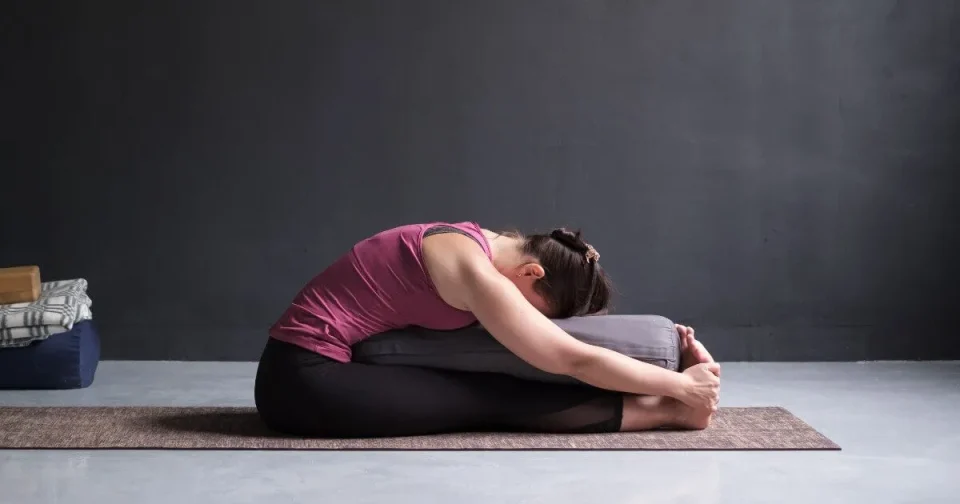
Understanding the Essence of Yin Yoga
Among the many forms of yoga that exist today, yin yoga stands out because of its unique approach. Instead of moving rapidly from one posture to another, this practice asks you to slow down and stay still. Poses are typically held for three to five minutes, sometimes longer, which allows the body to gradually open up and release deeply stored tension. Unlike dynamic practices that target muscles, yin yoga works primarily on connective tissues such as fascia, tendons, and ligaments.
In Singapore, where long office hours and fast-paced lifestyles often leave people with tight hips, hunched shoulders, and high stress levels, yin yoga offers a remedy. You can explore its benefits in greater depth through yin yoga classes that emphasise calm, mindful practice while creating profound changes in both body and mind.
The Role of Fascia in Mobility and Health
Many people are familiar with muscles and joints, but fewer understand the importance of fascia. Fascia is the web of connective tissue that runs throughout the entire body, supporting muscles and organs. When fascia becomes dehydrated or stuck due to lack of movement, poor posture, or stress, it restricts mobility and contributes to chronic stiffness.
Yin yoga helps by applying gentle, sustained pressure on targeted areas, which stimulates fascia to rehydrate and regain elasticity. Scientific studies show that this kind of long-held stretching promotes collagen production and improves the sliding of tissue layers. Over time, practitioners notice less stiffness, greater range of motion, and a sense of fluidity in movement.
How Yin Yoga Supports the Nervous System
The physical benefits are clear, but yin yoga also provides deep support for the nervous system. The long holds and quiet atmosphere activate the parasympathetic nervous system, which is responsible for rest, digestion, and recovery. This is the opposite of the fight-or-flight response that dominates modern city living.
By practising yin yoga regularly, people can reduce cortisol levels, improve sleep quality, and cultivate a calmer mind. Many practitioners in Singapore share that the stillness they experience on the mat translates into better stress management at work and in daily life.
Yin Yoga Versus Dynamic Yoga Styles
It is important to note that yin yoga is not meant to replace more active practices. Instead, it complements them. Dynamic practices strengthen muscles and increase cardiovascular fitness, while yin yoga enhances flexibility, joint health, and mindfulness. Together, they create a well-rounded routine that supports the body from multiple angles.
For athletes, dancers, or fitness enthusiasts, yin yoga can improve performance by releasing tight muscles and preventing injuries. For office workers, it serves as a counterbalance to prolonged sitting and digital fatigue.
The Science of Long-Hold Poses
Holding poses for several minutes may feel unusual at first, but this is precisely what makes yin yoga effective. When tissues are stressed gently for a sustained period, they respond by lengthening and adapting. This principle, known as “creep,” describes the ability of connective tissues to slowly remodel themselves.
Beyond the tissues, long holds also encourage mental endurance. Sitting with mild discomfort requires patience, focus, and acceptance. These qualities build resilience, which is valuable not only on the mat but also in handling life’s challenges.
Yin Yoga for Urban Singapore Lifestyles
Singapore’s fast-paced environment leaves little time for stillness. Many people spend hours seated at desks, travelling on crowded trains, or attending back-to-back meetings. The result is often tight hips, stiff backs, and restless minds. Yin yoga provides a practical solution.
A one-hour class may include hip-opening poses like dragon or butterfly, spine stretches such as caterpillar, and chest openers like supported fish. Each pose is designed to target areas most affected by sedentary routines. Over time, these classes help office workers improve posture, release tension, and find mental clarity after demanding days.
The Emotional Benefits of Yin Yoga
While the physical gains are important, yin yoga also nurtures emotional well-being. The stillness of the practice allows emotions and thoughts to surface. Instead of avoiding them, practitioners learn to observe without judgment. This builds emotional resilience and self-awareness.
Many report that yin yoga helps them process stress, grief, or anxiety. The quiet time on the mat becomes an opportunity to reconnect with themselves and build mental strength. In a society where busyness is often glorified, making space for reflection is powerful.
Supporting Healthy Ageing
Another valuable aspect of yin yoga is its suitability for all ages. Older adults in particular benefit because the practice is low impact, joint-friendly, and adaptable to individual needs. By improving joint health and maintaining flexibility, yin yoga supports active ageing and reduces the risk of falls. It also encourages mindfulness, which is linked to better cognitive health in later years.
Integrating Yin Yoga with Modern Wellness
Today, wellness is no longer just about physical exercise. It includes stress management, mental health, and holistic recovery. Yin yoga fits perfectly within this modern view. Combined with practices such as mindfulness meditation and breathwork, it creates a comprehensive approach to well-being.
Studios across Singapore are recognising this shift and offering more restorative classes that prioritise balance over intensity. At Yoga Edition, the approach goes beyond physical fitness to focus on helping individuals build sustainable, mindful lifestyles.
Practical Tips for Getting Started
For beginners who feel intimidated by the idea of holding poses for several minutes, here are some practical steps:
-
Start small: Begin with poses held for two minutes and gradually increase.
-
Use props: Bolsters, cushions, and blocks provide support and prevent strain.
-
Breathe deeply: Focus on slow, steady breaths to ease into stillness.
-
Stay consistent: Practising twice a week can bring noticeable results.
-
Listen to your body: Yin yoga should be challenging but not painful.
With patience and regular practice, the benefits accumulate and become part of daily life.
FAQs About Yin Yoga
Q. Is yin yoga suitable for people with no prior yoga experience?
Yes. The practice is beginner-friendly because the poses are simple and require no advanced flexibility. Props can be used to adjust each posture to individual comfort levels.
Q. How often should I practise yin yoga to see results?
Two to three sessions per week can bring significant improvements in flexibility, stress reduction, and sleep. Even one session a week is beneficial when practised consistently.
Q. Can yin yoga help with anxiety or insomnia?
Yes. By calming the nervous system and encouraging mindful breathing, yin yoga often helps people manage anxiety and improve sleep quality. Many practitioners report deeper, more restful nights after practice.
Q. Is it safe for seniors to practise yin yoga?
Absolutely. Seniors can adapt poses with props and shorter holds. The gentle nature of yin yoga makes it safe while supporting mobility and joint health.
Q. What should I bring to my first yin yoga class?
Comfortable clothing, a yoga mat, and a water bottle are sufficient. Some studios provide props, but bringing your own cushion or small towel can add comfort.
