

Key Takeaways
Tailored brain injury rehabilitation plans play a vital role in addressing the distinct needs and challenges of each patient. This approach often leads to improved recovery results. Individualized care not only fosters a deeper connection between patients and professionals, but it also enhances the healing process in meaningful ways.
When professionals implement personalized strategies, recovery can be significantly accelerated. Therapy aligned with patients’ interests often boosts motivation and engagement. By focusing on individual lifestyles and strengths, rehabilitation paves the way for greater emotional well-being and independence.
Evidence-based practices like physical therapy, occupational therapy, and speech-language pathology are critical components for optimal brain injury recovery, effectively targeting specific functions that may be compromised. Combining these therapies based on individualized needs frequently achieves the best outcomes.
Emerging technologies, such as virtual reality and neuromodulation techniques, are reshaping brain injury rehabilitation by enhancing patient engagement and supporting neuroplasticity—a key factor in recovery. Such innovations create fresh avenues for therapy and can significantly improve rehabilitation trajectories.
Including family in the rehabilitation journey notably boosts patient motivation and emotional stability. A supportive environment is crucial for recovery. By educating families about communication tactics and rehabilitation plans, they can play an effective role in assisting patients along their journey.
The collaboration between caregivers and professionals enriches patient recovery by incorporating insights about daily life into treatment plans, potentially leading to better therapy outcomes and smoother transitions back home. Clear communication between caregivers and the rehabilitation team is essential for achieving success.
Key milestones in the rehabilitation journey begin with thorough assessments that inform treatment strategies. These are followed by targeted therapy sessions which evolve in response to patient progress. Regular evaluations guarantee that therapy remains focused and responsive to realistic, achievable goals.
The Importance of Tailored Brain Injury Rehabilitation
Why Individualized Plans Make a Difference
In the realm of brain injury rehabilitation, generic solutions often miss the mark. A tailored approach can effectively address the unique circumstances and challenges each patient faces. Variables such as injury type, severity, individual cognitive strengths, and personal goals all shape recovery paths. Interestingly, two patients may share similar injuries yet experience vastly different outcomes based on the specificity and focus of their rehabilitation plans.
The significance of personalized care is immense. Experts understand that recognizing a patient’s specific needs fosters deeper connections, fostering a more effective healing environment. Through thorough assessments and ongoing evaluations, rehabilitation specialists pinpoint precise areas that require attention and development. Essentially, a personalized plan acts as a roadmap, guiding the often-complex recovery journey.
How Personalized Approaches Accelerate Recovery
When focusing on brain injury recovery, personalized approaches can yield remarkable progress. Tailored strategies can enhance motivation, transforming rehabilitation from a routine to a pathway toward reclaiming one’s life. For instance, engaging in tasks aligned with a patient’s interests or daily activities can accelerate recovery and improve outcomes. It’s about aligning therapy with personal passions—making it resonate.
Clients are often more satisfied with their recovery when rehabilitation mirrors their lifestyle. This alignment not only promotes independence, but it tends to enhance emotional well-being as well. Exercises that leverage specific strengths can—believe it or not—bring about significant advancements at a pace that generic routines often lack. Furthermore, empowering patients to set their goals instills a sense of control, further enriching their experience.
- Patients who receive customized care often report marked improvements in cognitive function.
- Engagement with personal interests significantly boosts therapy effectiveness.
- Individualized plans can make support networks more manageable.
Common Treatments and Techniques in Brain Injury Recovery
Evidence-Based Practices for Optimal Healing
Recovering from a brain injury is multi-faceted, incorporating various hands-on techniques and therapies. Evidence-based practices serve as the foundation for successful rehabilitation efforts. These typically include physical therapy, occupational therapy, and speech-language pathology, each tailored to target specific functions that may be impacted post-injury.
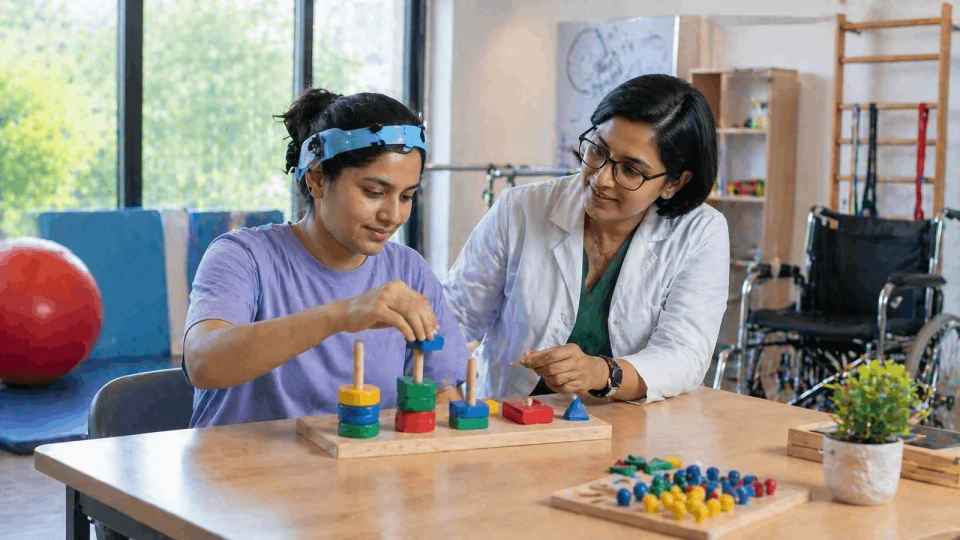
Physical therapy focuses on restoring movement and strength, helping patients regain essential motor skills. In contrast, occupational therapy assists individuals in achieving independence in daily living activities. Meanwhile, speech-language pathology addresses communication impairments and cognitive-communication difficulties, proving to be indispensable. Here’s the catch: it’s the combination of these therapies—tailored to individual needs—that often drives meaningful change.
Innovative Technologies Enhancing Rehabilitation Outcomes
Technological advancements have ushered in exciting possibilities in brain injury rehabilitation. Tools like virtual reality (VR) and neuromodulation can fundamentally alter the rehabilitation experience. VR offers immersive engagement, enabling patients to practice real-world tasks in a controlled setting. It’s like a whole new world of rehabilitation.
Neuromodulation techniques, such as transcranial magnetic stimulation (TMS), provide non-invasive options to stimulate brain cells. These methods show great promise in enhancing neuroplasticity, a crucial element for recovery. By facilitating the brain’s ability to adapt and reorganize, innovative treatments can lead to impressive recovery patterns.
- Virtual reality therapy provides immersive experiences that enhance cognitive training.
- Neuromodulation techniques foster brain adaptability.
- Combination therapies often yield faster, more lasting results.
“Innovative technologies are changing how we approach brain injury rehabilitation. The future looks promising.”
Understanding the Role of Family in the Recovery Process
How Supportive Environments Foster Resilience
The influence of family during rehabilitation cannot be overlooked; it’s a critical element in the success of recovery. Families create a supportive backdrop—an essential ingredient for fostering resilience. Patients backed by strong family ties typically exhibit greater motivation and emotional stability. Familiar surroundings bring comfort, alleviating anxiety and enhancing overall well-being.
Engaging family members in the rehabilitation process not only aids the patient but also helps educate the family itself. They acquire effective communication strategies and learn ways to encourage progress. By understanding the rehabilitation plan, families become better equipped to assist patients in reaching their goals, smoothing the transition back to daily life.
Engaging with Caregivers: A Collaborative Approach
Collaboration between caregivers and rehabilitation professionals inspires a proactive recovery process. Establishing clear communication is crucial in this relationship. Caregivers provide unique insights about a patient’s daily life, preferences, and potential barriers. Incorporating these insights into treatment plans enhances their effectiveness, ensuring focus remains on realistic and achievable outcomes.
But here’s the reality: strong relationships between caregivers and professionals often yield unexpected benefits. Patients supported by informed caregivers tend to enjoy better therapy outcomes and smoother transitions home. The aim is to establish a unified approach, where everyone is aligned, working toward a shared goal.
- Family support significantly enhances patient motivation.
- Education enables caregivers to offer effective assistance.
- Collaboration leads to improved recovery strategies.
What to Expect During the Rehabilitation Journey
Key Milestones: From Initial Assessment to Full Recovery
The rehabilitation journey generally comprises several milestones. Initially, patients undergo comprehensive assessments aimed at establishing cognitive and physical baselines. This phase is critical as it shapes the entire treatment plan. Thereafter, the focus shifts to targeted therapy sessions addressing identified areas needing attention. Regular evaluations ensure the plan adapts to the patient’s progress.
Patients can anticipate noticeable gains at various stages—some skills may return quicker than others. Short-term objectives are frequently set, creating a pathway to larger, long-term goals. This structured approach not only builds confidence but also celebrates small victories, which can significantly enhance mental well-being.
Typical Duration and Progression of Therapy Sessions
Understanding a typical therapy schedule can help demystify the process. Sessions can vary widely in frequency and duration—some patients may participate several times a week, while others focus on specific skills. Normally, each session lasts between 30 minutes and a couple of hours. This variability allows for customization based on what each individual requires.
As clients advance, sessions may shift focus depending on emerging goals. Clients often find the entire process challenging yet rewarding. Consistency is key; maintaining the regimen is where true transformation occurs.
- Regular assessments allow for timely adjustments in therapy.
- Expect milestones indicating progress to be acknowledged and celebrated.
- Therapy sessions should adapt to individual growth.
“The journey of rehabilitation is a marathon, not a sprint. Each step, no matter how small, is essential.”
Looking ahead, the opportunities for recovery through cutting-edge techniques, family involvement, and personalized care remain highly promising. Professionals continue to push boundaries in the field, improving patient experiences and outcomes. The centre for neuro skills in Irving exemplifies this commitment to individualized care and the latest rehabilitation strategies.
FAQ
What role does diet play in brain injury rehabilitation?
Nutrition is non-negotiable in recovery. A balanced diet, rich in omega-3 fatty acids, antioxidants, and vitamins, supports brain health and cognitive function. Medical professionals often recommend consulting a nutritionist to tailor dietary plans that bolster rehabilitation efforts.
How can technology help in monitoring patient progress?
Emerging technologies, like wearable devices and apps, provide real-time data on a patient’s activity and progress. Such tools empower rehabilitation teams to make quick adjustments to therapy plans, ensuring care stays responsive and focused on achieving realistic goals.
What can patients do to maximize their rehabilitation efforts at home?
Engaging in exercises and activities prescribed by healthcare professionals is crucial for advancement. Establishing a consistent daily routine that aligns with rehabilitation goals can reinforce skills learned in therapy. Patients could also consider journaling their experiences to monitor improvements and maintain motivation.
What are some potential milestones in the rehabilitation process?
Milestones might encompass regaining the capacity to perform daily living tasks independently or enhancing communication skills. Other indicators of progress could include improved cognitive function, like sharpening problem-solving skills or memory enhancements. Acknowledging these achievements fosters ongoing motivation and positivity.
Are there any specific therapies suited for cognitive recovery?
Cognitive rehabilitation therapy (CRT) specifically addresses cognitive challenges encountered during the recovery process from a brain injury. This approach encompasses memory strategies, attention training, and problem-solving tasks aimed at boosting cognitive function. Customized CRT plans can have a particularly powerful impact on rebuilding cognitive skills.
How can peers in recovery contribute to each other’s progress?
Peer support can form a robust network for motivation and encouragement. Connecting with others on a similar journey promotes shared experiences and insights that can boost morale. Patients often find that learning from one another’s challenges and successes can pave the way for significant breakthroughs.
Is ongoing therapy necessary after initial recovery?
Long-term therapy is often seen as beneficial, given that recovery can unfold gradually. Regular follow-ups help ensure patients retain their skills and adapt to new challenges while integrating back into everyday life. Continued support aids in solidifying improvements and enhances overall well-being.
How important is it for rehabilitation to involve the community?
Engagement with the community can significantly enrich a patient’s rehabilitation experience. Accessing local support groups, recreational activities, and social functions encourages social interaction, which is vital for emotional health. Being part of a community fosters a sense of belonging, an essential component in the recovery process.
Useful Resources
- Brain Injury Association of America
- Centers for Disease Control and Prevention (CDC) – Traumatic Brain Injury
- Headway – The Brain Injury Association
- National Institute of Child Health and Human Development – Traumatic Brain Injury
- American Brain Tumor Association
- American Academy of Neurology
- American Physical Therapy Association
- American Society of Allied Health Professionals
- American Speech-Language-Hearing Association
