

Understanding Hypospadias: The Basics and Beyond
What is Hypospadias and Its Types?
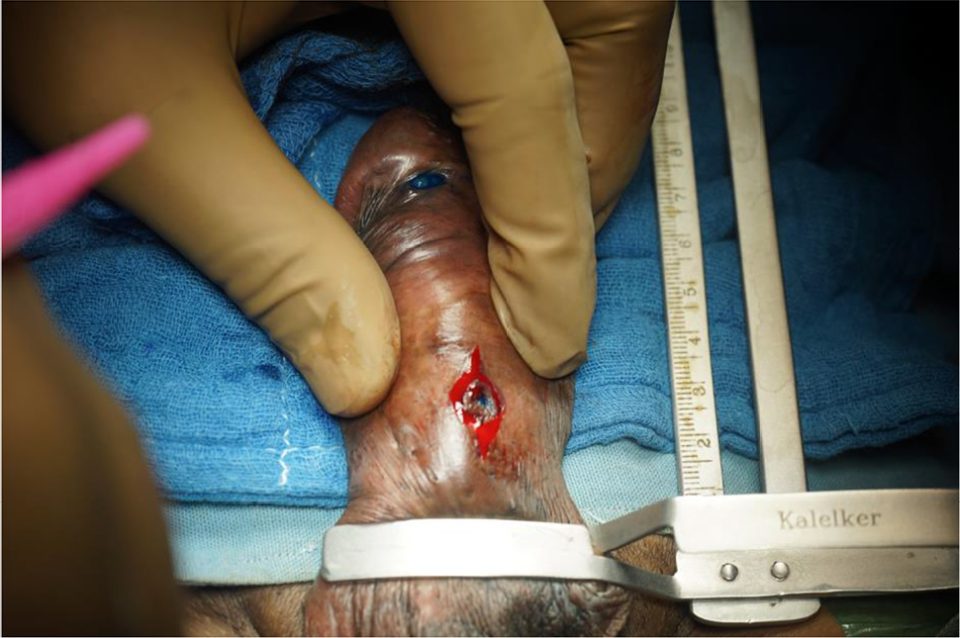
Hypospadias is a congenital condition affecting males, where the urethral opening is not located at the typical position at the tip of the penis. Instead, the opening can be situated anywhere along the shaft or even in the perineal area. This condition occurs in approximately 1 in every 200 to 300 live male births, making it one of the more common congenital malformations. There are several types categorized primarily by the location of the urethral opening: glanular hypospadias (located at the head of the penis), penile hypospadias (on the shaft), and scrotal or perineal hypospadias (near the scrotum). Each type presents its own unique set of challenges and potential complications. Distinguishing these types is crucial, as the extent of surgery and treatment required can vary significantly. Understanding hypospadias not only aids in appropriate treatment planning but also encourages early parental awareness and proactive healthcare engagement.
The Importance of Early Diagnosis and Intervention
Early diagnosis of hypospadias is critical in determining the appropriate course of treatment. Ideally, healthcare providers should assess newborns for this condition during routine examinations shortly after birth. Prompt intervention can prevent potential complications related to urination, including urinary tract infections and issues with sexual function in later life. Furthermore, surgical correction is commonly advised before the child reaches 18 months, as earlier surgery is associated with better functional and cosmetic outcomes. Addressing hypospadias early also plays a significant psychological role; it helps parents and children avoid potential emotional and social challenges that may arise from untreated conditions. Consistent follow-up assessments are essential even after initial treatments to address new concerns as a child grows.
Common Myths and Misconceptions Surrounding Hypospadias
Despite increasing awareness about hypospadias, many myths and misconceptions persist. One prevalent myth is that hypospadias is caused by improper parenting or environmental factors. In reality, the condition is largely genetic, with a higher prevalence in families with a history of congenital anomalies. Another misconception is that all cases of hypospadias require surgical correction; while surgery is the most common treatment for significant cases, mild forms may not need intervention. There is also an assumption that hypospadias only impacts physical health; on the contrary, untreated hypospadias can lead to psychological ramifications as the child matures. Understanding the truth behind these myths can empower parents and caregivers to seek timely medical advice and appropriate treatment pathways without stigma or unnecessary fear.
Key Factors to Consider When Choosing a Treatment Center
Expertise and Specialization: Why It Matters
When considering a treatment center for hypospadias, it is essential to evaluate the expertise and specialization of healthcare providers. Pediatric urologists or surgeons with extensive experience in treating individual cases of hypospadias are crucial for optimal outcomes. The complexity and diversity of cases require a clinician who not only understands the surgical techniques but also the nuances of each individual child’s anatomy and growth patterns. A specialist will often have continued access to the latest research, techniques, and rehabilitation methodologies. Moreover, specialized clinics typically have a multidisciplinary approach, involving urologists, pediatricians, psychologists, and anesthesiologists, ensuring comprehensive care tailored to the patient’s needs.
Innovative Techniques and Technologies in Hypospadias Surgery
The field of pediatric urology has seen significant advancements over recent years, particularly in surgical techniques and technologies for hypospadias repair. Minimally invasive surgical options, including laparoscopic procedures, have been developed which can reduce recovery time, minimize scarring, and enhance postoperative outcomes. Also advantageous are techniques involving hypospadias repair with the use of tissue-engineered products or grafts that can provide better structural and functional outcomes. These advanced methodologies not only aim to rectify the urethral opening but also prioritize aesthetic results and urinary function, significantly enhancing the quality of life. When researching potential treatment centers, inquire about the specific surgical methods employed and assess whether they utilize the latest evidence-based practices.
Patient-Centric Care: What to Look For
Choosing a treatment center should also include assessing the quality of patient-centric care they provide. This encompasses everything from the availability of one-on-one consultations to how well the healthcare team communicates with both the patient and their family. Parents should feel comfortable discussing concerns, and the medical team should be transparent about the procedures, expected outcomes, and potential risks. A center that values patient-centric care often involves the family in the decision-making process and comprehensively addresses concerns that arise before, during, and after treatment. Furthermore, positive interactions with nursing staff and support personnel are critical in ensuring the child receives holistic care that supports their emotional and psychological well-being as well as their physical health.
Evaluating the Quality of Care: Questions to Ask
Staff Qualifications and Experience: Building Trust
Before committing to a hypospadias treatment center, it’s essential to investigate the qualifications and experience of its staff. Ask about the training background of the pediatric urologists and surgeons, including their board certifications and specialized fellowships in pediatric urology. It can be beneficial to inquire how many similar surgeries they have performed and the outcomes of those cases. High-quality centers will often provide data on success rates, complication rates, and long-term follow-up results. Furthermore, understanding the collaborative process between various specialties—like psychology and nursing—can help you know if your child will receive comprehensive and continuous care.
Postoperative Care: Understanding Follow-Up Procedures
The journey does not end once the surgical procedure is complete; postoperative care is critical in ensuring your child heals efficiently and experiences minimal complications. It’s important to know what kind of follow-up appointments will be needed, what types of symptoms or signs of complications to look for at home, and how to handle potential emergencies. Ensure the treatment center has protocols for managing postoperative pain, infection risk, and long-term evaluation of urinary function. Clear communication regarding follow-up procedures can alleviate parental anxiety and foster a sense of assurance that your child is receiving continuous, attentive care.
Patient Testimonials: Learning from Others’ Experiences
One of the best ways to gauge the quality of care at a treatment center is to explore patient testimonials. These firsthand accounts can offer profound insights into the experiences of other families dealing with similar issues. Look for reviews on health care rating websites, social media platforms, or during direct conversations with staff at the treatment center itself. These stories can reveal a lot about the emotional support provided, the effectiveness of treatment, and overall satisfaction with care received. Encouraging connections with previous patients or parents can also provide another layer of understanding about the center’s environment and their treatment efficacy.
Exploring Financial Considerations and Insurance Coverage
Understanding the Costs: What You Need to Know
The financial implications of treating hypospadias can be substantial and vary widely depending on the severity of the condition and the specific treatment chosen. Understanding the breakdown of costs, including the surgical procedure, anesthesia, hospital stay, and any follow-up care, is essential. Parents should inquire upfront about what is included in the treatment package and prepare a budget that accounts for possible unexpected expenses. Furthermore, understanding the potential lifetime costs associated with follow-up appointments and possible additional surgeries could influence the choice of treatment centers and care pathways.
Insurance Coverage: Navigating the Complexities
Insurance coverage for hypospadias treatment can vary widely based on the policy and provider, complicating financial planning for families. Many insurance plans classify the corrective surgery as medically necessary, but specifics can differ, particularly concerning post-operative care or additional procedures. Families should carefully review their insurance policy, or speak directly with their insurance representative, to clarify what is covered, what deductibles and co-pays may apply, and whether pre-authorization may be required. These discussions should occur as early as possible to avoid unexpected bills that can arise post-treatment.
Financial Assistance and Resources: Finding Support
For families facing financial hurdles in accessing hypospadias treatment, multiple resources may assist in alleviating some of the burdens. Organizations dedicated to congenital conditions and children’s health often provide financial assistance programs or guidance on fundraising options. Additionally, hospitals or treatment centers may have financial aid departments designed to help patients navigate complex healthcare costs. Engaging with support communities online or through local chapters can provide additional insights and emotional support for families facing similar challenges. Knowledge of available resources can empower families to seek the necessary care without the overwhelming stress of financial constraints.
FAQ
Question: What are the long-term outcomes for children who undergo hypospadias surgery?
- Children who undergo successful hypospadias surgery often experience improved urinary function and overall quality of life. Long-term outcomes can vary depending on the severity of the condition and the surgical technique used, but many children do well in terms of both physical health and emotional well-being.
Question: Can hypospadias be diagnosed during prenatal scans?
- In some cases, hypospadias can be detected during prenatal ultrasounds; however, it’s often not definitively diagnosed until after birth, during routine physical examinations. Early monitoring and further assessments may be necessary for confirming the diagnosis.
Question: What type of follow-up care is typically required after hypospadias surgery?
- Postoperative follow-up care usually includes regular appointments to monitor healing, assessment of urinary function, and addressing any complications that may arise. The healthcare provider will guide parents on the frequency and nature of these follow-ups.
Question: Are there non-surgical treatment options for hypospadias?
- While surgery is the most common approach for significant cases of hypospadias, mild forms may not require intervention and can often be managed with watchful waiting. Consultation with a pediatric urologist is essential to determine the best course of action.
Question: How do I prepare my child for the surgery?
- Preparing a child for hypospadias surgery involves explaining the procedure in a simple and reassuring manner, discussing any fears or concerns they may have, and following pre-operative instructions provided by the healthcare team, such as fasting or hygiene practices.
Question: What should I look for in a pediatric urologist specializing in hypospadias?
- When selecting a pediatric urologist, consider their experience with hypospadias surgeries, their board certifications, patient testimonials, and their approach to family-centered care. Communication and comfort with the physician are also vital for a successful treatment journey.
Question: Is there a specific time range recommended for hypospadias surgery?
- It is generally recommended to perform hypospadias surgery within the first 18 months of life. Early surgery can lead to better overall outcomes and minimize psychological impacts on the child as they grow.
Question: What are the potential risks and complications associated with hypospadias surgery?
- Potential risks and complications of hypospadias surgery may include postoperative infections, urethral strictures, and complications related to anesthesia. Discussing these risks with the healthcare provider can help parents make informed choices regarding treatment.
Useful Resources
- Centers for Disease Control and Prevention (CDC)
- Urology Care Foundation
- Eunice Kennedy Shriver National Institute of Child Health and Human Development
- American Academy of Pediatrics (AAP)
- Boston Children’s Hospital
- American Urological Association (AUA)
- March of Dimes
- Parent Project Muscular Dystrophy
