

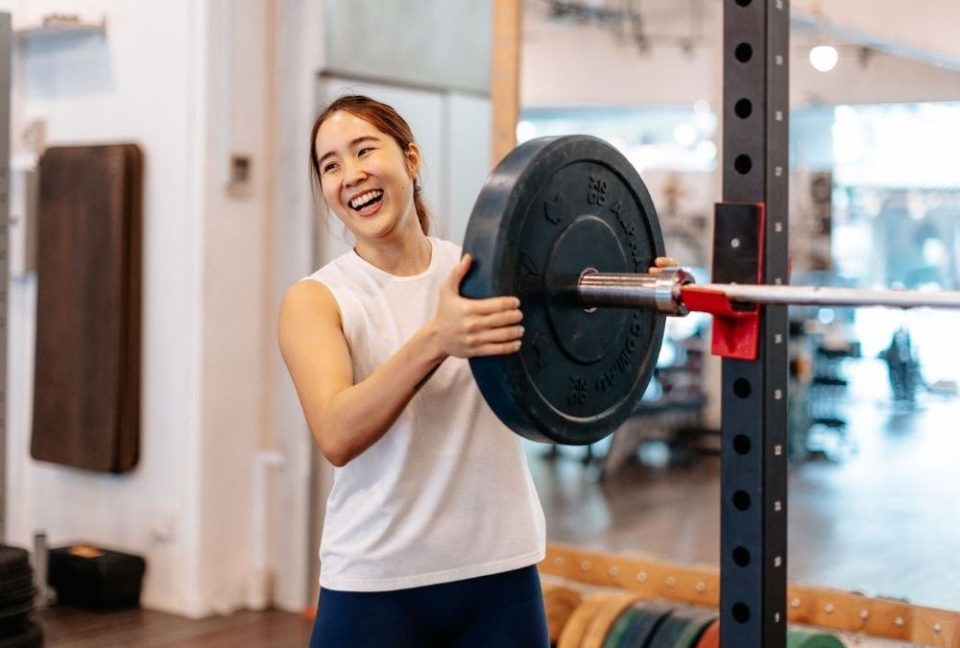
Modern fitness is no longer just about looking good. For women, it is increasingly about feeling strong, healthy and hormonally balanced. In a fast-paced urban environment like Singapore, where work stress, erratic sleep, and dietary habits often disrupt natural hormonal rhythms, a well-planned strength training routine in a gym Singapore can make a significant difference. Understanding how gym workouts influence hormones helps women train smarter and live healthier.
Understanding Hormones and Their Role in Women’s Health
Hormones are chemical messengers that regulate nearly every system in the body, including metabolism, mood, sleep, and reproductive health. When balanced, they create stability and energy. However, imbalances caused by stress, poor nutrition, or inactivity can lead to fatigue, mood swings, weight gain, and menstrual irregularities.
In Singapore, lifestyle factors such as high job pressure, long commutes, and limited exposure to sunlight can affect hormones like cortisol, oestrogen, and melatonin. Regular gym training helps to counter these effects by triggering positive hormonal adaptations that enhance both physical and emotional well-being.
How Strength Training Improves Hormonal Balance
Strength training is one of the most effective tools for regulating hormones naturally. Here’s how it helps:
1. Reduces Cortisol Levels
Cortisol is the body’s main stress hormone. When chronically elevated, it leads to increased fat storage, anxiety, and poor sleep. Strength training helps regulate cortisol by providing a structured outlet for stress. After a workout, cortisol levels drop, leading to improved relaxation and mood balance.
2. Boosts Growth Hormone and Testosterone
Women naturally have lower testosterone than men, but even small increases help promote lean muscle growth, energy, and confidence. Resistance workouts stimulate both growth hormone and testosterone production, encouraging fat loss while maintaining feminine muscle tone.
3. Improves Insulin Sensitivity
Singapore’s abundance of delicious but carbohydrate-rich food can challenge insulin regulation. Regular strength and cardio workouts increase insulin sensitivity, meaning the body can process glucose more effectively and reduce the risk of Type 2 diabetes. Stable blood sugar also contributes to steadier moods and reduced sugar cravings.
4. Supports Oestrogen and Progesterone Balance
Many women experience hormonal fluctuations due to irregular sleep, stress, or aging. Exercise helps the body metabolise oestrogen more efficiently and maintain a healthy progesterone balance. This can ease premenstrual symptoms, stabilise cycles, and support fertility.
The Singapore Lifestyle Factor
Singapore’s tropical climate and demanding urban pace can both help and hinder hormonal health. High humidity can make workouts more challenging, but it also encourages hydration and mindfulness. On the other hand, long office hours, processed foods, and air-conditioned environments reduce exposure to natural light and movement.
Women who consistently train in the gym gain several advantages:
-
Regular endorphin release that combats mood swings and anxiety
-
Improved sleep quality through balanced melatonin production
-
Better weight management and metabolic control
-
Increased bone density to prevent early osteoporosis
By training indoors in a controlled environment like a modern gym, women can avoid excessive heat and humidity while still achieving effective, consistent workouts.
Building a Hormone-Friendly Gym Routine
To truly harness the hormonal benefits of strength training, it’s important to structure workouts strategically.
Focus on Compound Movements
Exercises such as squats, deadlifts, and lunges work multiple muscle groups, leading to higher hormone responses. These moves also improve posture, stability, and core strength.
Prioritise Recovery
Overtraining can elevate cortisol and disrupt hormonal recovery. Include rest days, mobility sessions, and stretching. Recovery is when the body repairs tissue and balances hormone output.
Train at Optimal Times
Many women find late afternoon workouts most effective because energy and body temperature peak naturally during this period. For early risers, morning training helps regulate cortisol and sets a positive tone for the day.
Eat for Hormonal Health
Post-workout meals should include:
-
Protein: aids muscle repair and supports growth hormone
-
Healthy fats: such as avocado and olive oil, for oestrogen balance
-
Complex carbohydrates: like brown rice or oats, to replenish glycogen and maintain stable insulin levels
A balanced diet complements training and ensures the body’s hormonal system has the nutrients it needs to function optimally.
Real-Life Impact of Training on Hormonal Balance
Consider a professional woman in her 30s juggling long office hours and family commitments. After joining a structured strength training program three times a week, she notices not only improved physical strength but also fewer mood fluctuations, better sleep, and reduced cravings for sugar and caffeine. These changes occur because her cortisol and insulin levels stabilise, while endorphins and growth hormones increase naturally.
Many members at TFX experience similar results. With expert guidance, they design balanced routines combining resistance, mobility, and cardio work that enhance overall hormonal harmony without burnout.
Addressing Common Myths
A few misconceptions often prevent women from fully embracing strength training:
-
“Lifting makes women bulky.”
Muscle growth in women is modest due to lower testosterone. Lifting improves shape and metabolism, not excessive size. -
“Cardio is enough for balance.”
Cardio improves endurance but not muscle tone or metabolic rate. Strength training complements it for complete wellness. -
“Skipping rest speeds results.”
Recovery days are vital. Hormonal regulation and muscle repair occur during rest, not during overtraining.
Hormonal Health Beyond the Gym
Balancing hormones doesn’t stop after leaving the gym. Adequate sleep, balanced nutrition, and stress management are equally crucial. Women should aim for:
-
7–8 hours of uninterrupted sleep each night
-
Mindfulness or breathing exercises to reduce daily stress
-
Hydration of at least 2 litres of water daily
-
Regular sunlight exposure for vitamin D and circadian rhythm regulation
Combining these lifestyle adjustments with consistent gym training leads to lasting improvements in energy, mood, and metabolic health.
FAQs
Q. How long does it take to notice hormonal improvements from gym workouts?
Most women notice improved mood and energy within 2 to 4 weeks. Hormonal stabilisation, such as better sleep or menstrual regularity, typically appears after 8 to 12 weeks of consistent training and proper nutrition.
Q. Can older women benefit from gym training for hormonal balance?
Yes. Strength training benefits women of all ages. For those in perimenopause or menopause, regular workouts can reduce hot flashes, improve bone density, and stabilise mood by maintaining healthy hormone levels.
Q. What types of workouts are best for balancing hormones?
A mix of resistance training, moderate cardio, and flexibility exercises provides the best hormonal benefits. Avoid long-duration, high-intensity sessions daily, as they may elevate cortisol unnecessarily.
Q. Do I need supplements for hormonal balance if I train regularly?
Not always. A balanced diet with sufficient protein, healthy fats, and micronutrients often suffices. However, supplements such as vitamin D or omega-3 may be helpful for those with dietary restrictions or low sunlight exposure.
Q. How does stress outside the gym affect hormonal results?
Chronic stress can undermine the benefits of exercise by keeping cortisol levels high. Incorporating relaxation techniques and adequate rest ensures the hormonal benefits of gym training are sustained.
By recognising the deep connection between exercise and hormone health, women can transform the way they train and live. A well-designed fitness plan in a gym Singapore is more than a workout — it’s a way to restore natural balance, build resilience, and thrive in today’s demanding lifestyle.
