

Unveiling the Skin Spectrum: Understanding Common Dermatological Conditions
Persistent Acne: Beyond the Teenage Years
Acne is often viewed as a teenage affliction, but the reality is that it can persist well into adulthood or even emerge later in life. Adult acne can take many forms, including persistent breakouts, hormonal zits that coincide with menstrual cycles, or stubborn cystic acne that can scar the skin. Factors contributing to adult acne may range from hormonal imbalances, stress, improper skincare routines, to even dietary choices that are high in processed sugars and dairy. Understanding the root causes of your specific acne is crucial for effective treatment.
Dermatologists typically employ a variety of treatment options tailored to individual needs—including topical retinoids, chemical peels, or systemic medications like antibiotics and hormonal therapies. Moreover, advanced treatments such as blue-light therapy, which targets acne-causing bacteria, and laser treatments that focus on reducing inflammation and scarring, have gained prominence for their efficacy and relatively quick results. It’s important for patients to undergo thorough assessments, allowing dermatologists to devise personalized strategies that address not just the symptoms, but the underlying factors contributing to acne, ultimately leading to clearer and healthier skin.
The Mystery of Melasma: What It Is and How to Treat It
Melasma is a common yet complex skin disorder characterized by brown or gray-brown patches, primarily affecting sun-exposed areas like the face. This condition disproportionately affects women, especially during pregnancy or hormonal fluctuations such as with birth control or hormone replacement therapy. The precise cause of melasma has eluded researchers, but it is believed to involve a triple interplay between UV exposure, hormones, and genetics. This uncertainty makes treatment particularly challenging.
While there is no one-size-fits-all solution, dermatologists commonly recommend a multi-faceted approach, including daily use of broad-spectrum sunscreen, topical treatments such as hydroquinone, azelaic acid, and retinoids, alongside chemical peels or laser therapies for more extensive cases. Patients should be advised that melasma can often be persistent, requiring ongoing management rather than a quick fix. Furthermore, educating patients on the significance of sun protection and lifestyle adjustments, such as avoiding known triggers, can play a critical role in the prevention of melasma flare-ups.
Psoriasis and Eczema: Chronic Skin Issues Explained
Psoriasis and eczema are two chronic skin conditions that can significantly impact quality of life. Psoriasis is a chronic autoimmune condition resulting in red, scaly patches on the skin due to an accelerated skin cell lifecycle. It can be triggered by a variety of factors including stress, infections, and certain medications. The psychological impacts of psoriasis can be profound, often leading to embarrassment, which makes support from dermatologists not only vital for treatment but also for emotional well-being.
Eczema, or atopic dermatitis, on the other hand, is characterized by inflamed, itchy skin that can flare up due to environmental factors, allergens, or irritants. Treatment largely focuses on hydration and maintaining the skin barrier, along with topical corticosteroids and immune-modulating therapies for severe cases. Newer biologic treatments have emerged for both conditions, promising better control of symptoms and improved patient outcomes. It is crucial for those suffering from psoriasis or eczema to establish a strong relationship with their dermatologist, who can guide them through effective treatment options and lifestyle modifications tailored to their unique situations.
Choosing the Right Dermatologist: Do Your Research
Credentials Matter: What to Look for in a Dermatology Expert
Finding the right dermatologist is a critical step in managing skin health. Not all dermatologists are created equal, and various factors can influence the quality of care provided. Start by verifying the dermatologist’s board certification through the American Board of Dermatology, as this ensures they have met rigorous training and examination standards. Additionally, consider their areas of specialization—some dermatologists may focus on medical dermatology, while others may excel in cosmetic procedures or dermatopathology. This specialization can significantly affect the treatment options available to you.
Another essential aspect to consider is the dermatologist’s experience, particularly with your specific skin condition. Look for reviews and testimonials from patients who have undergone treatments for similar issues, as this can provide insight into the dermatologist’s effectiveness and approach. Being proactive and asking about their experience in managing cases like yours during an initial consultation can foster a clearer understanding of potential outcomes. Establishing a trusting relationship with your dermatologist is paramount, as this enhances communication—an essential factor in achieving favorable treatment results.
The Importance of Reviews: Trustworthy Insights from Patients
In the age of digital information, patient reviews and testimonials can significantly aid in the decision-making process of selecting a dermatologist. While it’s important to approach online reviews with a discerning eye, gathering insights from multiple platforms including Google reviews, Healthgrades, or forums specifically dedicated to dermatological issues can uncover valuable information. Pay attention to comments on staff friendliness, wait times, office cleanliness, and the overall demeanor of the dermatologist.
Furthermore, networking and seeking recommendations from friends, family, or healthcare providers can also produce trustworthy leads. Keep in mind, though, that every individual’s skin is unique, and an experience that one person found satisfactory may not necessarily hold for another. Engaging in direct queries with former patients, if possible, can provide you with clarity regarding their satisfaction levels with treatments received, necessary recovery times, and ongoing support from their dermatologists. Finding a reputable dermatologist whose practice is built on positive patient outcomes can greatly enhance your skin health journey.
Consultative Visits: What to Expect and Prepare For
A visit to a dermatologist can be an enlightening experience, especially if you come well-prepared. First and foremost, schedule a comprehensive consultation where you can discuss your skin concerns in-depth. Prior to the appointment, it is beneficial to compile a detailed medical history, including existing health conditions, medications, and any previous skin treatments or procedures you have undergone. This knowledge not only helps the dermatologist to better understand your skin health context but also facilitates more informed discussions on potential treatments.
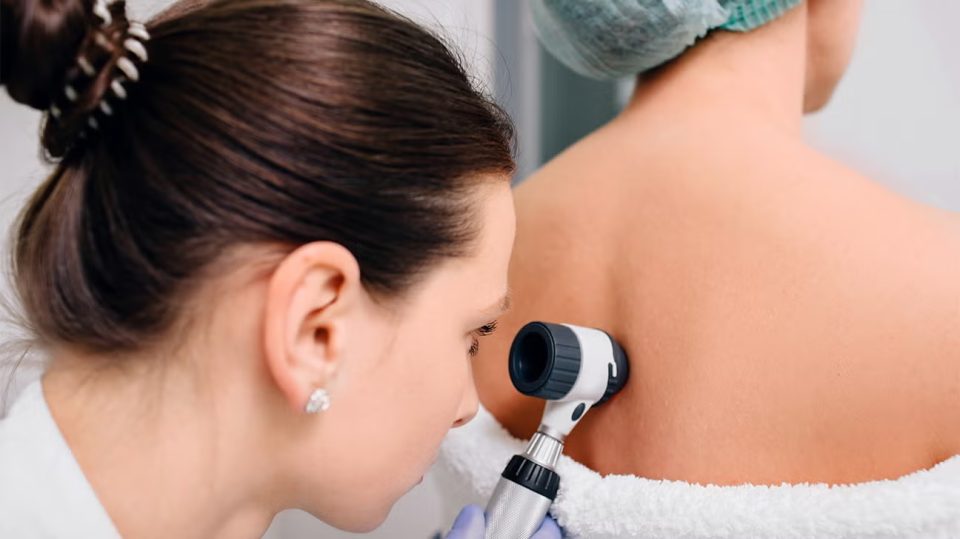
During the visit, you should expect a thorough examination of your skin, where the dermatologist may ask tailored questions connecting your symptoms to potential causes. This could include inquiries about your lifestyle, skincare routine, and exposure to allergens or irritants. A collaborative conversation often occurs during these visits, where the dermatologist will outline possible diagnoses along with a strategy for addressing concerns—this transparency is crucial for building trust. Lastly, be sure to leave with a clear understanding of the next steps, whether that includes a follow-up appointment, prescribed medications, or lifestyle modifications. The more collaborative and informed you are, the better the outcomes for your dermatological care will be.
Innovative Treatments: The Cutting Edge of Dermatological Care
Laser Treatments: More Than Just Hair Removal
Laser treatments have revolutionized the field of New Jersey dermatology, evolving beyond mere hair removal applications. Today, various laser technologies target a myriad of skin conditions, including acne scars, pigmentation issues, and signs of aging. For instance, fractional CO2 lasers are utilized to effectively treat deep set wrinkles and severe sun damage by stimulating collagen production and promoting extensive skin regeneration. These treatments typically require multiple sessions, paired with proper post-care to enhance results and minimize downtime.
Moreover, treatments like Intense Pulsed Light (IPL) therapy serve a dual purpose, addressing both pigmentation irregularities and vascular lesions, making it a versatile option for many patients. As research advances, customized laser treatments that target specific disorders and skin types are being developed, paving the way for personalized dermatological care. Ultimately, understanding the strengths and limitations of various laser treatments empowers patients to have informed conversations with their dermatologists regarding the best options available, tailored to individual skin conditions.
Injectables and Fillers: Finding the Perfect Anti-Aging Solution
Injectables and dermal fillers are gaining traction as potent anti-aging solutions within dermatology. Botox and similar neuromodulators temporarily paralyze muscle activity, effectively reducing the appearance of dynamic wrinkles. For those seeking volumizing effects, dermal fillers composed of hyaluronic acid offer plumpness and contour to sagging areas of the face, resulting in a softer and more youthful look. These procedures are relatively non-invasive and provide immediate results, making them appealing to those looking to enhance their appearance without the need for surgery.
It is important for patients to consult with board-certified dermatologists who possess a meticulous eye for aesthetics to ensure balanced results that maintain one’s natural appearance. Awareness of any potential side effects is equally important, as allergic reactions and irregularities can occur. Open dialogue regarding expectations and desired outcomes fosters a productive relationship with your dermatologist. A professional will not only advocate for the right products but will also guide patients in selecting treatments that align with their long-term skin health goals.
Emerging Therapies: The Future of Dermatology is Bright
The field of dermatology is witnessing exciting advancements as emerging therapies and technologies promise to redefine treatment methodologies. For instance, biologic treatments, originally developed for conditions like psoriasis and eczema, employ monoclonal antibodies to target specific pathways in the immune system, resulting in groundbreaking improvements in chronic skin conditions. Similarly, gene therapy and personalized medicine approaches are beginning to influence dermatological practice, utilizing a patient’s genetic profiles to craft tailored treatment plans, enhancing the efficacy of interventions.
Additionally, advancements in teledermatology enable remote consultations, providing patients with access to dermatologic care regardless of geographic limitations. As technology continues to enhance patient engagement, it paves the way for improved monitoring of skin conditions and personalized treatment adjustments. As these therapies continue to evolve, the promise of innovative methodologies heralds an era where dermatological care is not only more effective but increasingly accessible to those in need.
Self-Care and Skin Health: Your Daily Routine Matters
Understanding Skin Types: Tailoring Your Care Regimen
Understanding individual skin type is the cornerstone of an effective skincare regimen. Broadly categorized as normal, dry, oily, combination, or sensitive, each skin type requires a unique care protocol tailored to its specific needs. For instance, individuals with oily skin should prioritize lightweight, non-comedogenic products and regular exfoliation to prevent clogged pores and breakouts. Conversely, those with dry skin will benefit from rich, hydrating formulations that reinforce the skin barrier and lock in moisture.
Sensitive skin types may require a more cautious approach, incorporating gentle, fragrance-free options while avoiding harsh exfoliants or active ingredients that can provoke irritation. It is also essential to adapt skincare routines to climatic factors, as seasonal changes can warrant adjustments in product choices. Regular consultations with a dermatologist can illuminate how diverse products interact with skin types, allowing for a personalized approach that promotes long-term skin health and improved appearance.
SPF and Beyond: The Science of Sun Protection
No skincare routine is complete without consistent application of sun protection. Sunscreen protects the skin from harmful UV rays, preventing premature aging, sun damage, and skin cancers. A broad-spectrum sunscreen with an SPF of at least 30 should be applied daily, regardless of cloud cover or seasonal changes. It’s also important to reapply sunscreen every two hours during sun exposure or after swimming or sweating.
Moreover, UV exposure isn’t the only concern; blue light from electronic devices can also affect skin health, making it crucial to incorporate products that offer additional protection. Wearing protective clothing and seeking shade when the sun is at its peak can further help mitigate risks. Dermatologists emphasize education on sun safety as a vital part of skincare, providing tools for individuals to effectively protect their skin and maintain their health.
Diet’s Role in Skin Health: Eating Your Way to Radiance
Nutrition plays a crucial role in skin health, where the saying “you are what you eat” couldn’t ring truer. Diets rich in antioxidants—like vitamins C and E—zinc, and omega-3 fatty acids contribute to skin vitality and protection. Consuming abundant fruits and vegetables can help improve skin texture and boost hydration. Additionally, incorporating healthy fats from sources such as avocados, nuts, and oily fish can support the skin’s lipid barrier, enhancing moisture retention.
Conversely, certain dietary choices can exacerbate skin conditions. High-glycemic foods, excessive sugar, and dairy products have been linked to inflammatory responses, potentially worsening conditions like acne or eczema. Observing how your skin responds to dietary changes can provide invaluable insights, fostering a more tailored approach to nutrition in skin health. Consulting with dermatologists or nutritionists may yield personalized dietary strategies that enhance skin radiance and overall well-being.
FAQ
Question: What types of skin conditions can dermatologists treat beyond acne and eczema? – Dermatologists handle a wide variety of conditions, including but not limited to rosacea, skin cancers, warts, fungal infections, and scars, offering both medical and cosmetic treatments.
Question: How often should I see a dermatologist for routine skin checks? – It is generally advisable to have a skin examination annually, but those with a history of skin issues or family history of skin cancer should consult their dermatologist about more frequent visits.
Question: Are there specific skincare products recommended for sensitive skin? – Yes, individuals with sensitive skin should opt for fragrance-free and hypoallergenic products, often looking for dermatologically tested options that avoid potential irritants.
Question: What should I do if I have an adverse reaction after a dermatological treatment? – If you experience any unexpected side effects such as redness, swelling, or irritation after a treatment, it’s crucial to contact your dermatologist immediately to discuss your symptoms and receive appropriate guidance.
Question: Is teledermatology a reliable option for skin consultations? – Teledermatology can be a reliable option for many patients, as video consultations can provide a convenient platform for evaluating skin conditions; however, in-person visits may still be necessary for certain examinations or treatments.
Question: What lifestyle changes can I make to support my skin health? – Maintaining a balanced diet, staying hydrated, managing stress levels, and getting adequate sleep can all contribute positively to skin health, along with adhering to a consistent skincare regimen.
Question: How do I choose the right sunscreen for my skin type? – Select a broad-spectrum sunscreen with at least SPF 30 that is non-comedogenic for oily skin or moisturizing for dry skin. Testing a patch of the product on your skin can help ensure compatibility with your skin type.
Question: Can my diet really affect my skin condition? – Absolutely, a nutrient-rich diet can improve skin vitality, while certain foods, particularly those high in sugars and dairy, may exacerbate conditions like acne or eczema. Monitoring your skin’s response to dietary changes is essential for optimal care.
Useful Resources
- American Academy of Dermatology
- Skin Cancer Foundation
- American Society of Dermatology
- National Institutes of Health
- Centers for Disease Control and Prevention
- Mayo Clinic
- WebMD
- Healthline
