

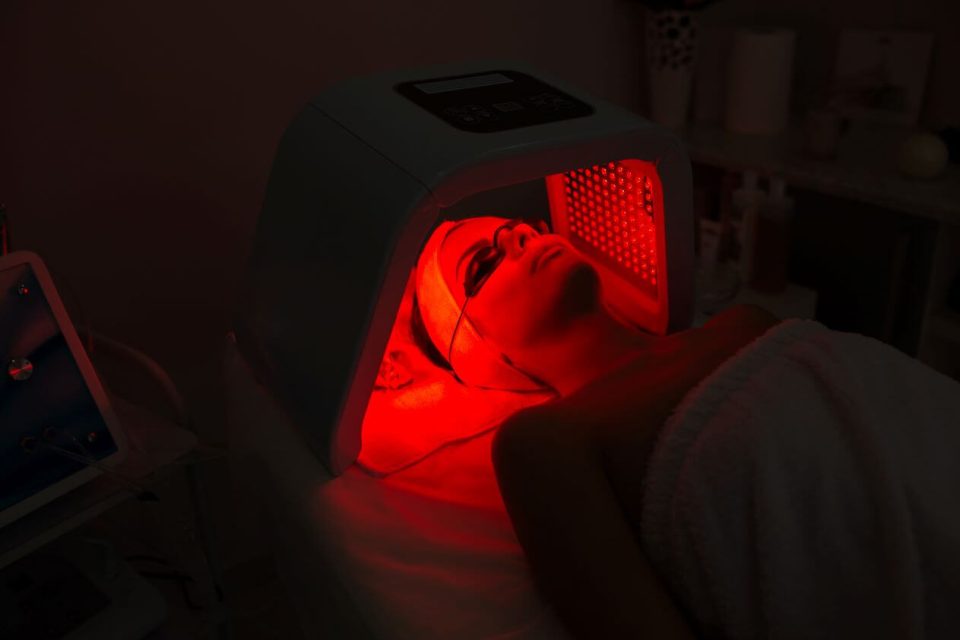
In recent years, red light therapy has moved from niche wellness circles into mainstream health conversations. What was once considered an experimental approach has gained traction with athletes, skincare specialists, and everyday individuals seeking natural ways to support their health. Backed by scientific studies and embraced by wellness professionals, red light therapy is proving to be more than a passing trend.
What Is Red Light Therapy?
Red light therapy, sometimes referred to as low-level light therapy or photobiomodulation, involves exposing the skin to specific wavelengths of red or near-infrared light. Unlike ultraviolet rays from the sun, these wavelengths do not cause damage to the skin. Instead, they penetrate the surface and interact with cells in a way that can promote healing, reduce inflammation, and boost energy production.
At its core, the therapy stimulates mitochondria, often described as the powerhouse of cells. By enhancing mitochondrial function, the body can generate more energy in the form of ATP. This additional energy can support a range of cellular activities, from tissue repair to improved circulation.
Why People Are Turning to Red Light Therapy
Interest in red light therapy has grown because of its wide range of potential benefits. For many people, it offers a non-invasive option that complements other treatments. Some of the most common reasons individuals seek out red light therapy include:
- Skin rejuvenation: It may help reduce fine lines, wrinkles, and sun damage by stimulating collagen production.
- Pain relief: Athletes and those with chronic pain report improvements in joint function and muscle recovery.
- Wound healing: Research suggests that red light can speed up tissue repair and decrease inflammation.
- Mood support: Early studies indicate that exposure to certain light wavelengths may have positive effects on mood and sleep patterns.
What makes red light therapy particularly appealing is its versatility. It is used in dermatology clinics, sports medicine facilities, and wellness centers, and many devices are now available for at-home use.
The Science Behind the Light
While the concept may sound simple, the science is both fascinating and complex. Red and near-infrared light wavelengths typically used in therapy range from 600 to 1000 nanometers. These wavelengths can penetrate the skin at varying depths, reaching not only the surface but also underlying tissues.
Studies have shown that these wavelengths can trigger photochemical reactions within the cells. This process helps regulate oxidative stress, which plays a role in inflammation and aging. By improving circulation and cellular repair, red light therapy may enhance the body’s ability to recover naturally without the need for medication or surgery.
Red Light Therapy in Everyday Wellness
Wellness routines are no longer limited to diet and exercise. People are increasingly looking for therapies that support holistic health, and red light therapy fits seamlessly into this approach. For example, some individuals combine light therapy with yoga or meditation as part of a stress-reducing routine. Others use it as a post-workout recovery tool, noting faster muscle relaxation and reduced soreness.
In places where wellness trends are growing rapidly, options such as red light therapy in The Woodlands are becoming more accessible. Clinics and wellness centers there offer tailored sessions that allow individuals to experience the benefits under professional guidance. For residents exploring natural therapies, this provides a convenient entry point into a practice that is both safe and evidence-based.
Technology and Accessibility
The rise of personal devices has made red light therapy more accessible than ever. From handheld tools to full-body panels, options are available for people who want to use the therapy at home. While professional clinics often provide stronger, more targeted treatments, at-home devices can be useful for maintenance or daily routines.
However, experts advise consumers to do their research before investing in a device. Quality, wavelength range, and safety certifications matter. Professional guidance is recommended, especially for individuals using red light therapy for medical conditions.
Balancing Expectations with Evidence
Although enthusiasm for red light therapy is high, it is important to balance optimism with realistic expectations. While research is promising, not all claims are fully supported by science. For instance, some devices are marketed as miracle solutions for weight loss or anti-aging, but results can vary greatly depending on individual factors and the quality of treatment.
Healthcare providers often recommend using red light therapy as a complementary treatment rather than a replacement for proven medical approaches. When integrated thoughtfully, it can enhance other therapies and contribute to long-term wellness.
A Growing Industry
The wellness industry is continuously evolving, and red light therapy is carving out a significant space within it. As more studies validate its effectiveness and technology improves, interest will likely continue to grow. Professionals offering red light therapy in The Woodlands and other communities are witnessing increased demand, not only from athletes and beauty enthusiasts but also from people seeking preventive care.
The combination of science, accessibility, and consumer interest suggests that red light therapy will remain relevant for years to come. Like yoga or massage, it is moving from a niche practice into a mainstream wellness option.
Final Thoughts
Red light therapy represents an exciting intersection of science and wellness. Its ability to support cellular health, reduce pain, and enhance skin quality makes it appealing to a wide range of people. While it is not a cure-all, when used responsibly, it can be a powerful addition to modern health routines.
As research continues and awareness spreads, this form of therapy is likely to become a staple in both professional healthcare settings and personal wellness practices. For those curious about exploring its potential, starting with professional guidance is the best way to experience its benefits safely and effectively.
